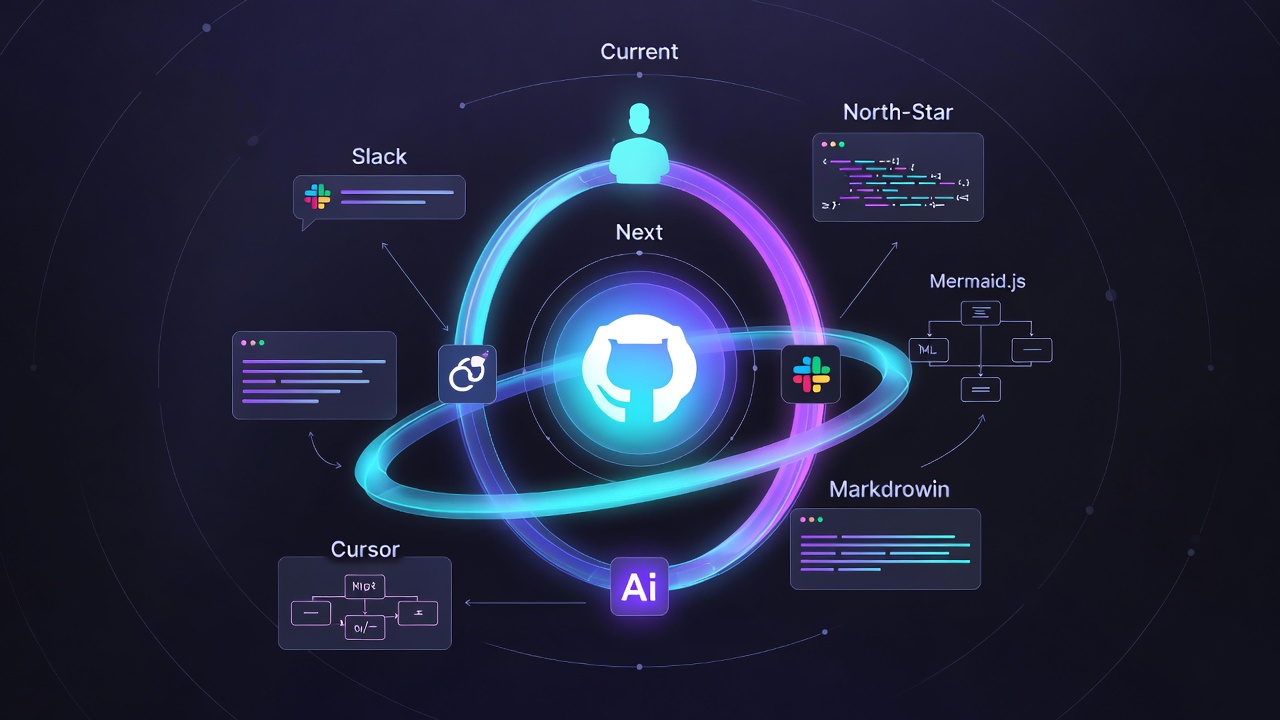
Claude Design Icon

Claude Design: Closing the Design-to-Code Gap

TL;DR Claude Design is Anthropic’s new design collaboration tool that lets designers and engineers work in the same environment, with Claude as the bridge between intent and implementation It reads your codebase and existing design files during onboarding so generated designs respect your team’s actual constraints, not hypothetical best practices The strongest feature is its integration with Claude Code: designs are packaged into handoff bundles that encode intent and context, not just pixels and spacing values Collaboration happens inside the tool - inline comments, on-the-fly adjustments, and consistent application of changes across the whole design - removing the need for scattered Figma comments and DMs Currently in research preview for paid Claude tiers; works best for teams already using Claude across writing, coding, and research rather than teams deeply embedded in the Figma ecosystem Design-to-development handoff has always been a friction point. Designers create something beautiful. Engineers interpret Figma specs, argue about spacing, squint at color values. SVG assets get lost. Responsive behavior gets reimplemented. By the time the code matches the design, half the polish is gone. ...

April 17, 2026 · 5 min · James M
The Most Valuable Skill Is Knowing What Not to Build Banner

The Most Valuable Skill Is Knowing What Not To Build

TL;DR The ability to say no to a buildable idea is rarer and more valuable than knowing how to build well Ideas are abundant; attention, energy, and years are not - every yes is an implicit no to everything else you could have built Discernment is a trainable skill: interrogate who the thing is for, what it costs to maintain, and whether you would still want it in five years The compound effect runs both ways - focused builders compound depth, scattered builders compound half-finished repositories The hardest no is to the idea that is genuinely good but still not yours to build Every builder knows the feeling. You have an idea. It’s clever. It could be useful. You start sketching it out, planning the architecture, imagining how it would work. ...

April 9, 2026 · 8 min · James M
Spec-driven development - when the brief becomes the product

Spec-Driven Development: When the Brief Becomes the Product

TL;DR Spec-driven development means making specifications iteratively precise enough that handing them to an AI produces the right result without further iteration AI makes hidden specification costs visible - ambiguous briefs now produce wrong code instantly rather than surfacing bugs slowly during implementation The spec becomes the product because it is where all the thinking lives; implementation is just the reflection of the spec in runnable form Good specs must be honest, not just precise - they should explain trade-offs accepted, constraints being solved for, and how you will know if the spec was wrong Developers in 2026 need to shift from implementing specs to writing specs that are clear enough to implement themselves There’s a moment in every developer’s career when you realize the code is not the product. The product is the decision. ...

April 7, 2026 · 6 min · James M