GPU Servers vs AI API Credits: The Real Cost Breakdown (2026)

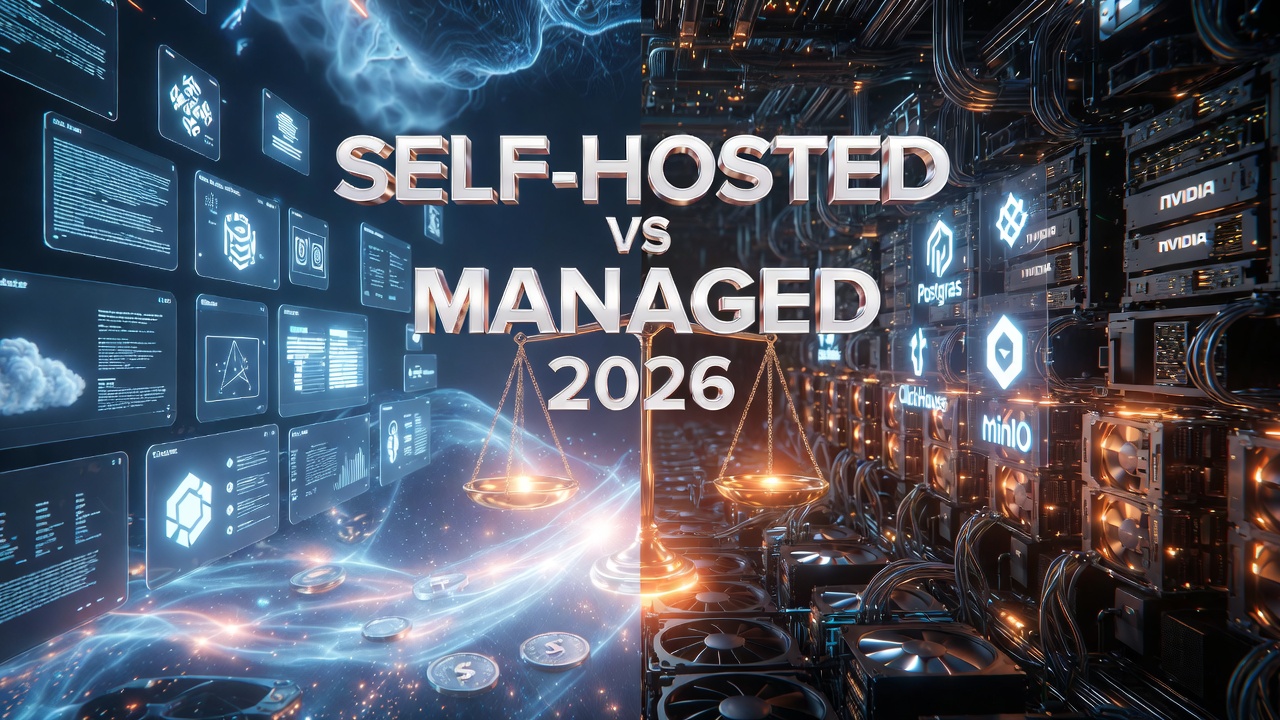
TL;DR The core trade-off is pay-per-use (APIs) vs pay-for-capacity (GPUs) - APIs are cheaper at low volume, GPUs win massively at high volume (100M+ tokens/day) The break-even point for GPU self-hosting sits around 2 to 5 million tokens per day for premium-model workloads - below that, APIs almost always win GPU utilisation is the most important variable: at less than 50-60% utilisation, self-hosted inference costs more per token than just calling an API Hidden costs matter - real GPU spend is 2x to 5x the raw hardware price once you add DevOps, scaling, monitoring, and networking; API costs can also balloon from poor prompt design and multi-step agent loops Most serious production systems land on a hybrid architecture: APIs for complex reasoning and long-context work, GPUs for bulk inference, embeddings, and fine-tuned models If you’re building anything with LLMs right now, you’ll hit this question sooner than you expect: ...

April 5, 2026 · 5 min · James M

GitHub Spec Kit in 2026: SDD Goes Mainstream 🚀

TL;DR GitHub Spec Kit reached v0.5.0 in 2026, evolving from a documentation toolkit into a full extensibility platform for AI-assisted development Claude Code CLI is now a native skill within Spec Kit, making spec-to-code pipelines seamless and built-in The ecosystem has exploded with dedicated tools like AWS Kiro and Tessl, while multi-agent support covers Copilot, Cursor, Gemini CLI, and more Spec-Driven Development prevents architectural drift by making the spec the single source of truth - versioned, reviewable, and respected by AI agents Getting started is now low-effort: write a spec.md, pick any AI tool, and let the spec drive implementation Six months ago, we explored how GitHub Spec Kit was beginning to reshape software development. In early 2026, that promise isn’t just materializing - it’s accelerating. The project has hit version 0.5.0, the ecosystem has exploded, and Spec-Driven Development has transitioned from “interesting idea” to actual industry standard. ...

April 4, 2026 · 5 min · James M

Polkadot 2026: From Infrastructure to Applications

The Pivot Year: Polkadot’s Strategic Shift in 2026 Polkadot has undergone a fundamental transformation in 2025-2026. After years of building infrastructure layers, the ecosystem is making a decisive pivot toward user-facing applications. This isn’t just a narrative shift - it’s embedded in technical upgrades, tokenomics redesigns, and validator economics that reflect a maturing network ready to compete at the application layer. Timing: This transformation arrives as traditional finance begins acknowledging blockchain infrastructure, and as the broader crypto market cycle approaches a pivotal moment for adoption. ...

April 4, 2026 · 5 min · James M