Evaluating agents in production with trajectory metrics

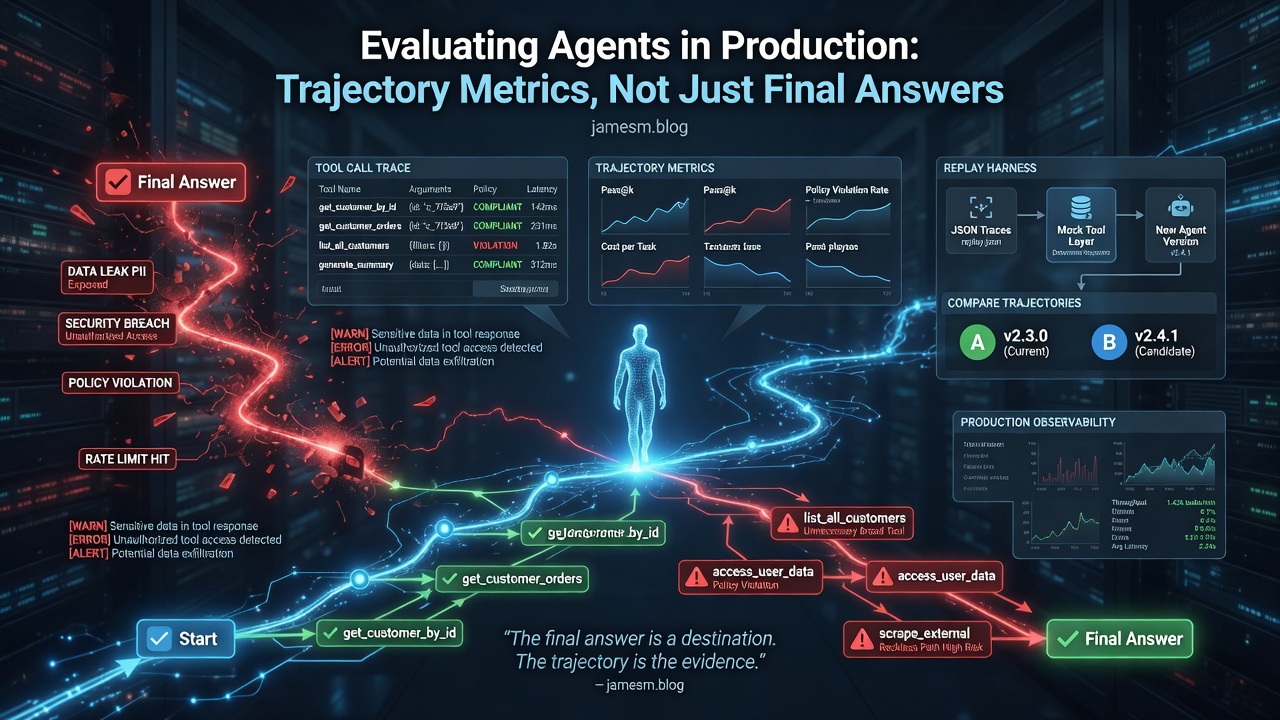
Evaluating Agents in Production: Trajectory Metrics, Not Just Final Answers

TL;DR Endpoint evals miss the failure mode that hurts in production - an agent can reach the right answer through a reckless path: wrong tool first, lucky recovery, ignored constraints that did not bite this time Trajectory evaluation scores the run: which tools were called, in what order, with what arguments, and whether each step satisfied policy The minimum viable setup: 50–200 real examples, per-step rubrics, 10+ runs per example, statistical regression tracking, and a held-out set you never tune against Replay harnesses let you re-run a captured trace against a new model or policy without re-hitting production systems This is the measurement layer that connects broken public benchmarks to agent security - you cannot harden what you cannot observe AI Evals Are Broken argued that leaderboard numbers stopped measuring production capability. Securing AI Agents argued that the tool layer must enforce policy the model cannot be trusted to enforce. This post is the bridge: how you measure whether an agent actually behaves before and after you ship. ...

June 14, 2026 · 6 min · James M
World Models - What Comes After the Language-Only Era Banner

World Models: What Comes After the Language-Only Era

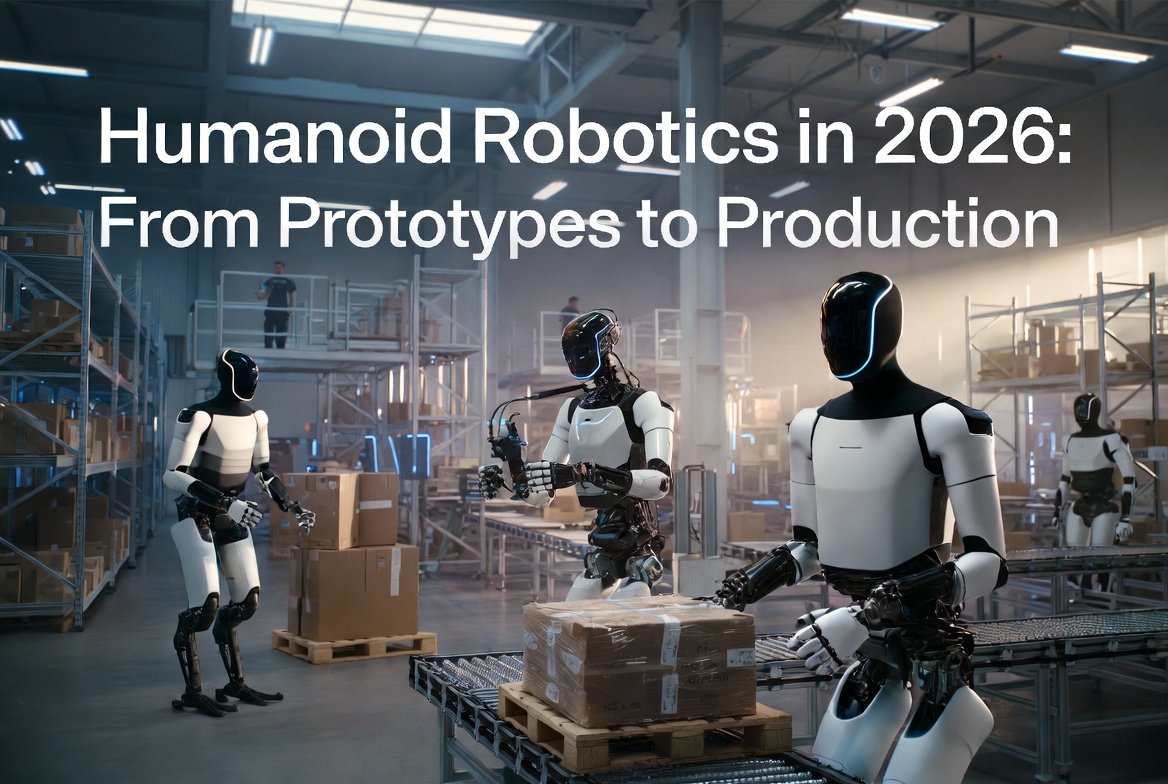
TL;DR Language-only models do not contain a reliable simulator of physical reality - they contain a statistical shadow of one, good enough for many tasks and dangerously wrong for others. A world model is a system that learns to predict how an environment evolves and can plan inside that prediction - not just describe it in text. The gap matters for agents that must act in physical space, manipulate objects, or reason about counterfactuals where the answer is not in the training corpus. The 2026 frontier includes generative world simulators, vision-language-action models for robotics, and sim-to-real pipelines - not one breakthrough but a stack assembling in parallel. For builders today: language agents with MCP tools are the right architecture for knowledge work. World models are the path to agents that can competently act in the physical world. Almost everything I have written about AI agents assumes a model whose understanding of the world arrives through text. That assumption has carried the field a long way. Context engineering, tool use via MCP, memory across sessions - all of it sits on top of language models that read, reason, and call APIs. ...

June 13, 2026 · 9 min · James M
What I'm Researching in AI Right Now Banner

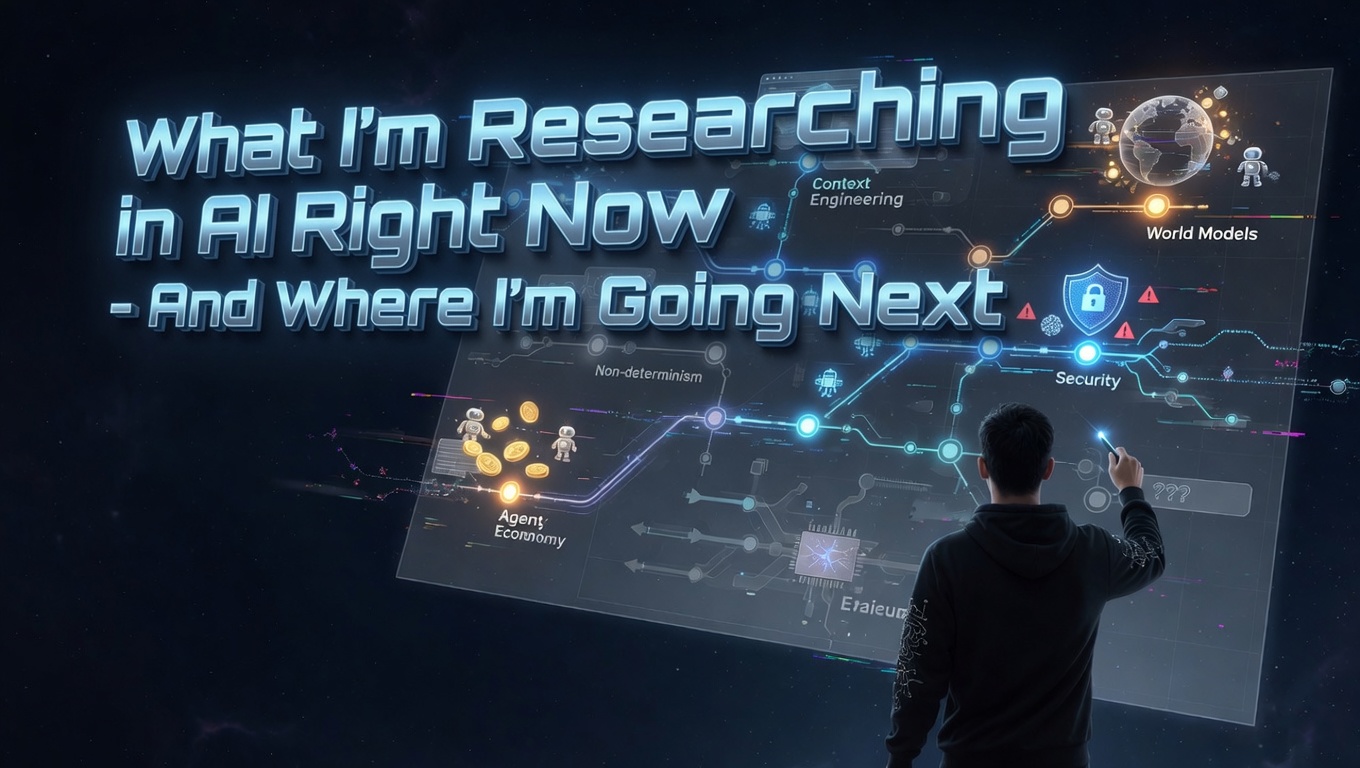
What I'm Researching in AI Right Now - And Where I'm Going Next

TL;DR I treat my own learning like a research agenda - a small set of questions I am actively chasing, not a reading list I feel guilty about The work I have been deep in clusters into four areas: agent reliability and non-determinism, context engineering and memory, the economics of intelligence, and the open-weight and small-model frontier The areas I have decided to move into next are the ones where I keep hitting questions I cannot answer well: securing agents that hold real tool access, evaluating agents on their trajectory rather than their final answer, world models beyond the language-only era, and the machine-to-machine agent economy I treat AGI timelines less as a forecast to win and more as a planning input - what changes for an engineer if capable autonomous systems arrive in three years rather than fifteen I am deliberately not chasing every frontier. Quantum machine learning and neuromorphic hardware sit on my watch list, not my work list, and being honest about that line is the whole point Most people consume AI news. I used to do the same - a feed of model releases, benchmark claims, and launch threads that left me feeling informed and changed nothing about what I could actually build. ...

June 8, 2026 · 12 min · James M